


What is Frogging in Cross Stitch?

If you’ve been doing cross stitch for a while, you may have come across the term ‘frogging.’ But what exactly does it mean? Does it have anything to do with amphibians? And why is it something most stitchers dread?

What does frogging mean?
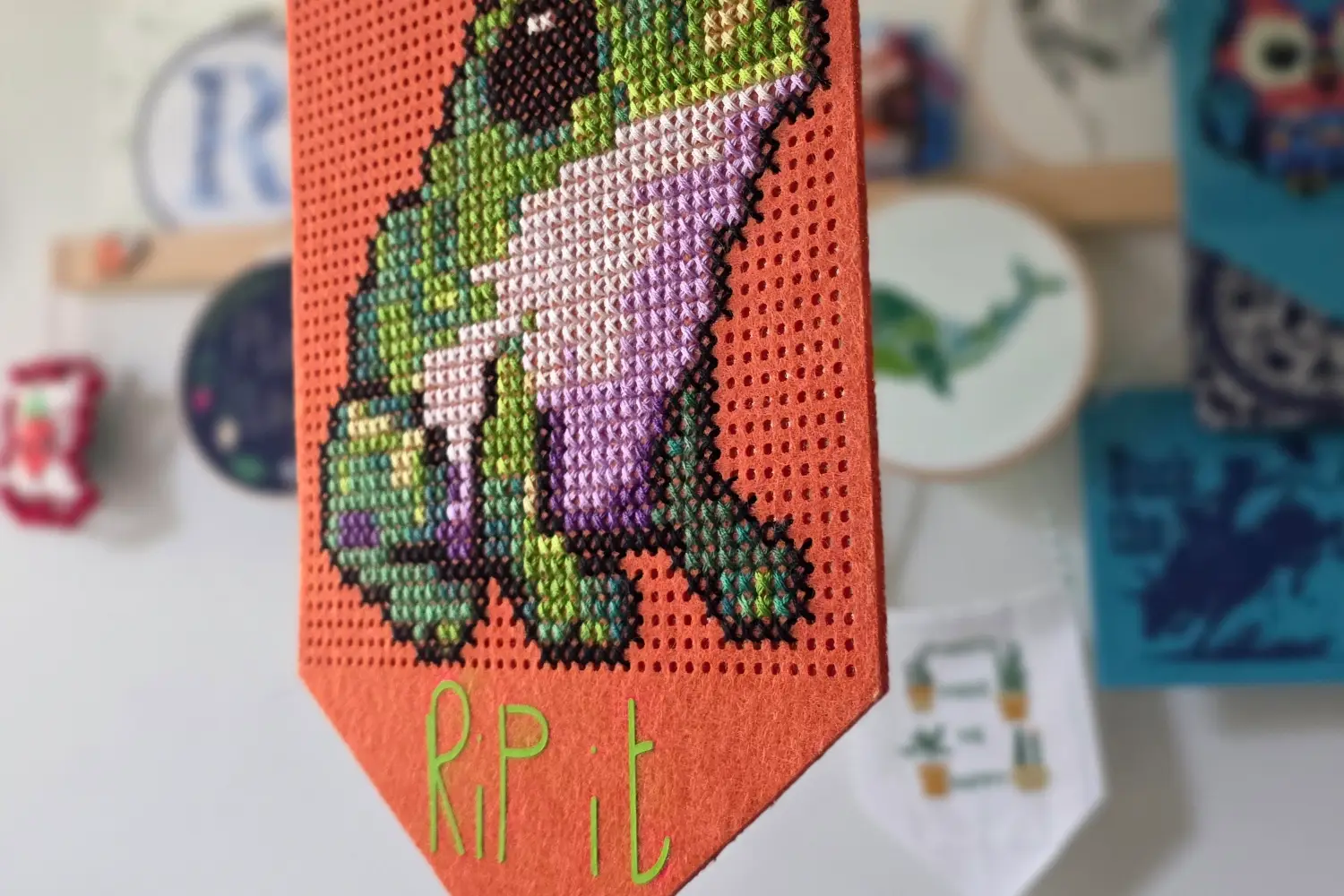
Frogging in cross stitch refers to the process of unpicking or removing stitches when a mistake has been made. The term comes from the phrase “rip it, rip it,” which sounds like the croaking of a frog. While it’s frustrating to undo hard work, frogging is sometimes necessary to keep your design accurate.
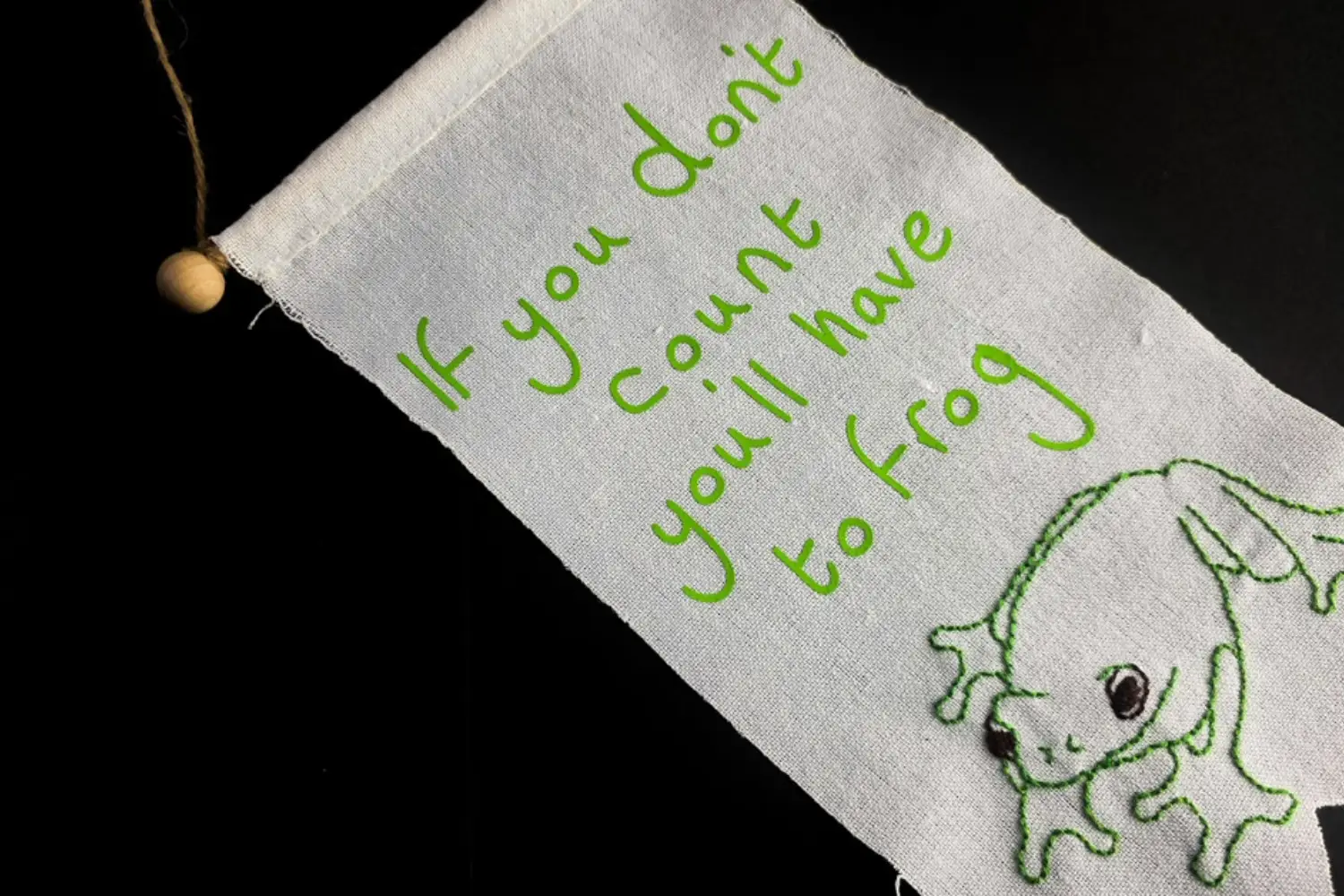
Why do stitchers have to frog?
There are several reasons you might need to frog stitches, including:
- Miscounting stitches – One of the most common reasons, especially if you’re stitching without a grid or reference points.
- Using the wrong color – It’s easy to pick up the wrong thread, especially when working with similar shades.
- Misplacing stitches – A small misalignment can throw off an entire section of your design.
- Tension issues – If your stitches are too loose or too tight, they may need to be redone for a neater finish.
How to frog without damaging your fabric
Frogging can be frustrating, but it doesn’t have to ruin your project. Here are some tips to remove stitches safely:
- Use a sharp embroidery needle or seam ripper – Carefully slide it under stitches to loosen them without tugging too hard.
- Work in reverse order – Unpick stitches one at a time, starting from the last one made.
- Pull gently – Tugging too hard can distort the fabric or cause fraying.
- Use tweezers for stubborn threads – If tiny fibres are left behind, tweezers can help remove them. (if you have a large area, you might want to try a lint roller)
- Restitch carefully – Once you’ve removed the mistake, take a break before restitching to avoid making the same error again.
How to avoid frogging in cross stitch
While mistakes happen, there are ways to minimize the need for frogging:
- Double-check your pattern before stitching a new section.
- Mark off completed stitches using a highlighter or an app.
- Count twice, stitch once to ensure accuracy.
- Use good lighting to see your stitches and floss colours clearly.
- Take breaks to stay focused and reduce errors from fatigue.
Alternatively
If you really hate the idea of frogging – consider, can you adapt the pattern, will anyone (apart from you) notice a small deviation.






Invest in a pair of surgical stitch scissors. Makes removing stitches so much easier.