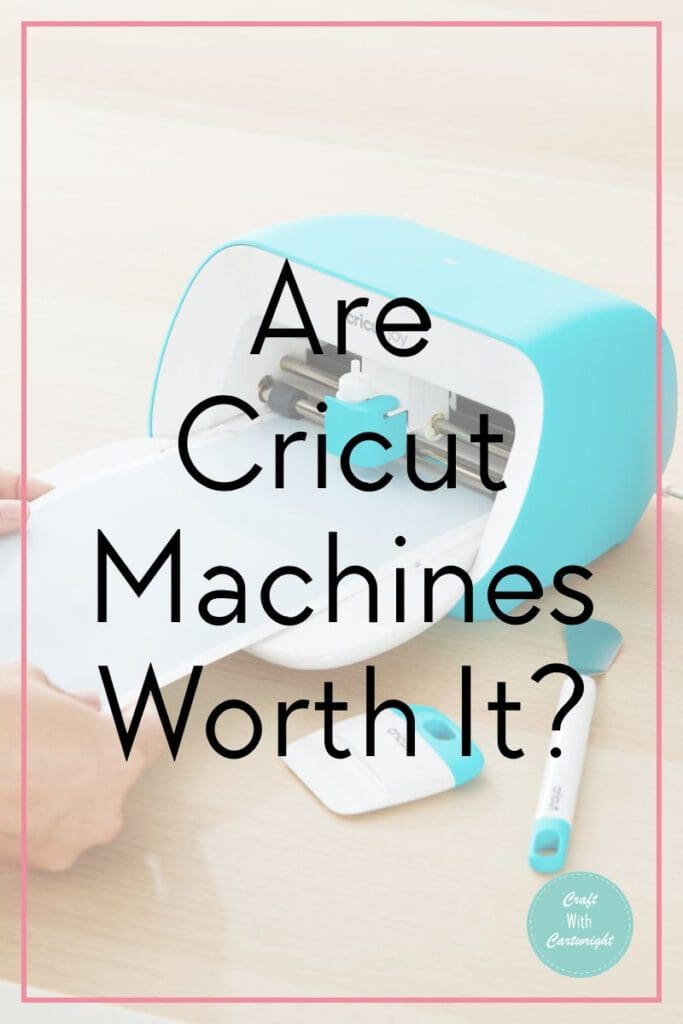
Are Cricut Machines Worth It? A Comprehensive Guide to Help You Decide

If you’re someone who loves crafting and DIY projects, you may have come across Cricut machines. These versatile cutting machines have gained popularity in recent years for their ability to create intricate designs on a variety of materials. But are they really worth the investment? In this comprehensive guide, I’ll explore the various aspects of Cricut machines to help you make an informed decision.

Cricut machines are designed to simplify the process of cutting and creating designs for various crafts. From vinyl decals to paper crafts and even fabric projects, these machines offer a range of possibilities. They work by connecting to a computer or mobile device and using software to control the cutting process.
One of the main advantages of owning a Cricut machine is its versatility. With different blades and tools available, you can cut through various materials with precision. This opens up endless opportunities for creating custom gifts, home décor items, clothing embellishments, and more.

However, it’s important to consider your specific crafting needs before deciding if a Cricut machine is worth it for you. While these machines offer convenience and precision in cutting designs, they do come with a learning curve. The software interface may take some time to master, especially if you’re new to digital design.
Another factor to consider is the cost associated with owning a Cricut machine. In addition to the initial purchase price of the machine itself, there are additional expenses such as materials (vinyl sheets or fabric), blades and tools (which may need replacement over time), and subscription fees for accessing certain design features or libraries.
That being said, many crafters find that investing in a Cricut machine pays off in terms of time saved and creative possibilities unlocked. The ability to create personalized gifts or unique home décor items can be highly rewarding.
In conclusion, whether a Cricut machine is worth it for you depends on your level of interest in crafting, the types of projects you enjoy, and your budget. If you’re someone who loves DIY projects and wants to explore the world of digital design, a Cricut machine can be a valuable tool. However, if you’re unsure or have limited crafting needs, it may be worth exploring other options or starting with a less expensive cutting machine.
Ultimately, this comprehensive guide aims to provide you with the information needed to make an informed decision about whether investing in a Cricut machine aligns with your crafting goals and preferences.
What is a Cricut Machine and What Can it Do?
A Cricut machine is a versatile cutting tool designed for crafting and DIY projects. It’s a popular device among craft enthusiasts and hobbyists due to its ability to precisely cut a wide range of materials into intricate shapes and designs. The Cricut machine operates using computer-controlled technology, allowing users to create custom designs and bring their creative ideas to life.

Key Features and Capabilities:
- Cutting Various Materials: The Cricut machine can cut diverse materials such as paper, vinyl, fabric, leather, cardstock, chipboard, and more. This versatility enables users to design and craft a wide array of projects.
- Precision Cutting: The machine offers precise and intricate cutting, allowing for detailed designs and delicate patterns that would be challenging to achieve manually.
- Custom Design Creation: Users can design their own projects using compatible software and upload them to the Cricut machine. The software provides a user-friendly interface for designing and editing shapes, text, and patterns.
- Ready-to-Use Designs: Additionally, the Cricut machine comes with a vast library of pre-designed images, fonts, and projects, enabling users to choose from a wide selection and use them for their creations.
- Scoring and Perforation: Some Cricut models have the capability to score and perforate materials, which is useful for creating fold lines and adding intricate details to projects.
- Print then Cut: This feature allows users to print designs using a standard printer and then use the Cricut machine to precisely cut around the printed images, enhancing the level of detail in the final project.
- Embossing and Debossing: Advanced Cricut models support embossing and debossing techniques, allowing users to add texture and dimension to their projects.
- Wireless Connectivity: Many Cricut machines are equipped with wireless connectivity, enabling users to send their designs directly from their devices without the need for cables.
Common Applications:
- Paper Crafts: Creating greeting cards, scrapbooking, paper flowers, and intricate paper designs.
- Home Decor: Crafting custom decals, wall art, labels, and personalized items.
- Apparel and Textiles: Designing iron-on transfers, fabric appliqués, and custom designs for clothing.
- Party Decorations: Making party banners, favor boxes, cupcake toppers, and more.
- Vinyl Projects: Designing decals for laptops, water bottles, car windows, and other surfaces.

How Much Does it Cost to Own and Maintain a Cricut Machine?
Owning and maintaining a Cricut machine involves several costs, including the initial purchase price, materials, accessories, and potential software subscriptions. Here’s a breakdown of the typical costs associated with owning and maintaining a Cricut machine:
1. Initial Purchase:
- The cost of the Cricut machine itself varies based on the model and features. Prices range from approximately $200 to $400 for the basic models, and more advanced models or bundles can range up to $600 or more.
2. Cricut Accessories:

- Blades and Mats: Replacement blades and cutting mats are essential for the Cricut machine. Costs for replacement blades can range from $10 to $20, while cutting mats range from $8 to $15 each.
- Tools and Accessories: Tools like weeding tools, spatulas, scoring stylus, and pens are useful accessories that may cost around $15 to $30 for a set.
3. Materials:
- Various materials are used with the Cricut machine, including vinyl, cardstock, fabric, iron-on material, specialty papers, and more. Material costs vary, but a rough estimate is $10 to $30 per pack, depending on the material type and quantity.
4. Software:
- Design Space, the software used to create and customize designs for the Cricut machine, is available for free. However, there are optional in-app purchases and a subscription plan called “Cricut Access” that provides access to a vast library of images and fonts for a monthly fee. The subscription cost is around $9.99 to $30 per month, depending on the plan.
5. Maintenance:
- The Cricut machine typically requires minimal maintenance. Keeping it clean and dust-free is essential for optimal performance. Occasionally, you may need to replace cutting blades and mats, which are the primary maintenance costs.
6. Repairs and Upgrades:
- In the event of a malfunction or the need for repairs, costs may be incurred for replacement parts or professional servicing. The warranty may cover certain repairs, but beyond that, costs can vary.
7. Training and Tutorials:
- While not a direct cost of the machine, investing in training classes, workshops, or tutorials to maximize your usage of the Cricut machine can be beneficial. Costs for these can vary based on the provider.
Total Cost Estimate:
- Initial Purchase: $200 to $600 (depending on the model)
- Accessories and Tools: $30 to $50 (initial purchase)
- Materials: Ongoing cost, approximately $20 to $50 per month (depending on usage)
- Software Subscription: $9.99 to $30 per month (optional)
- Maintenance and Repairs: Varies based on usage and warranty coverage

Pros of Owning a Cricut Machine:
- Versatile Crafting Possibilities: The Cricut machine allows for a wide range of creative projects, from intricate paper crafts to custom apparel designs, enhancing your crafting versatility.
- Precise and Intricate Cutting: It offers precise cutting capabilities, enabling intricate designs and detailed cuts that would be difficult to achieve manually.
- Custom Design Options: Users can create and upload their own designs, offering a personalized touch to their projects and the freedom to craft based on individual preferences.
- Wide Range of Compatible Materials: The Cricut can cut various materials, including paper, vinyl, fabric, leather, and more, providing options for diverse crafting projects.
- User-Friendly Software: The accompanying software is user-friendly and accessible, making it easy for beginners to start creating designs quickly.
- Access to Design Library: Cricut offers a vast library of pre-designed images, fonts, and projects, giving users an extensive resource for their crafting endeavors.
- Community and Support: Being part of the Cricut community provides access to tutorials, project ideas, and a platform for sharing experiences and gaining inspiration.
- Upgradable Features: Depending on the model, some Cricut machines offer upgradable features, allowing users to expand their capabilities as they progress in their crafting skills.
Cons of Owning a Cricut Machine:
- Initial Investment: The upfront cost of purchasing a Cricut machine can be a significant investment, especially for higher-end models with advanced features.
- Ongoing Material Expenses: Regularly buying materials such as cutting mats, blades, and various types of sheets (vinyl, paper, etc.) can accumulate ongoing expenses.
- Learning Curve: While the software is user-friendly, mastering the intricacies of design creation and understanding all the features may require time and effort, particularly for beginners.
- Software Subscription Costs: Access to the full range of design options may require a subscription to the Cricut Design Space software, incurring additional monthly or annual costs.
- Limited Cutting Size: The cutting size is limited to the dimensions of the machine, which can be a constraint for large-scale projects or designs.
- Dependency on Electronic Devices: Utilizing the Cricut machine often requires a computer, tablet, or smartphone for design creation and machine operation, which may not be preferred by everyone.
- Maintenance and Repairs: Like any electronic device, the Cricut machine may require maintenance or repairs over time, adding potential costs and inconveniences.
Understanding these pros and cons can help individuals decide whether owning a Cricut machine aligns with their crafting goals and budget. It’s essential to weigh the benefits against the costs and consider how the Cricut machine fits into one’s crafting aspirations and lifestyle.